
Why Clog Removal Works Differently on Older Drain Lines
Find out why clog removal becomes more challenging with aging pipes and what makes older drain lines harder to clear.
Why does the same drain keep clogging even after you clear it? The problem may go beyond the buildup blocking the water. Over time, aging pipes develop rough surfaces, corrosion, and narrowed passages that allow debris to collect more easily. As a result, clog removal methods that work on newer plumbing may not produce the same results in older drain lines. Simply clearing the blockage may temporarily restore water flow without addressing the conditions that cause clogs to recur. Keep reading to understand why older drains require a different approach and how the right cleaning method can help prevent recurring problems.
How Aging Pipes Change Drain Conditions
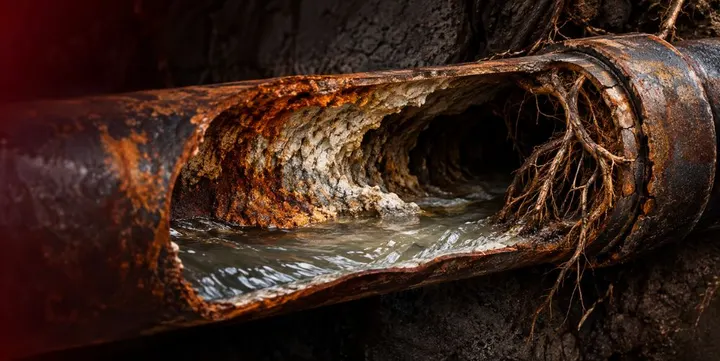
Aging drain lines can develop structural and internal changes that affect wastewater flow. Years of use can increase the risk of recurring clogs. The following conditions explain how older pipes contribute to drainage problems:
- Corrosion buildup: Rust creates rough interior surfaces that catch grease, soap residue, and other debris.
- Mineral deposits: Hard water minerals form layers on pipe walls, reducing the space available for wastewater to flow.
- Uneven pipe sections: Sagging or misaligned pipes create low points where wastewater collects instead of draining properly.
- Deteriorating joints: Worn seals and damaged connections can cause leaks or allow soil and roots to enter the drainage system.
These issues can make ordinary drain use more likely to result in blockages. Professionals can assess the pipe's condition to determine whether clog removal will resolve the issue or whether additional repairs are necessary.
Why Standard Clog Removal May Fall Short
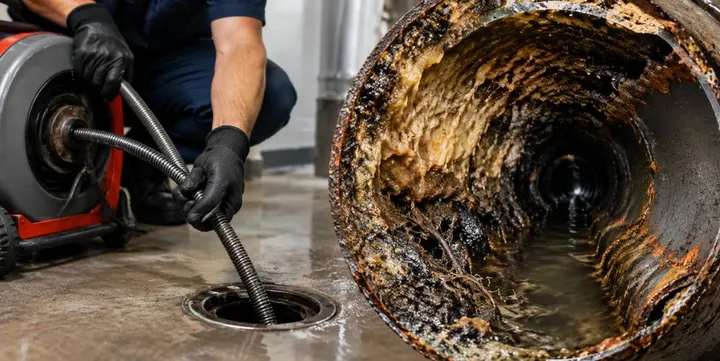
Basic drain cleaning methods can restore water flow without addressing everything inside the pipe. In aging pipes, years of buildup may remain attached to the walls even after a plumber clears the main obstruction. Consider the following common limitations:
- Partial blockage removal: Drain snakes may create an opening through accumulated waste while leaving deposits along the pipe walls.
- Remaining residue: Grease, soap buildup, and hardened debris can continue restricting water flow after the initial blockage clears.
- Fragile pipe materials: Corroded metal and weakened joints may sustain further damage when exposed to excessive mechanical force.
- Equipment limitations: Incorrect cable sizes or cleaning attachments can damage compromised sections rather than clear them safely.
For these reasons, effective clog removal requires more than breaking through an obstruction. Professionals must consider the condition of the drain line before selecting equipment capable of clearing waste without causing further damage.
Inspect the Drain Before Clearing It
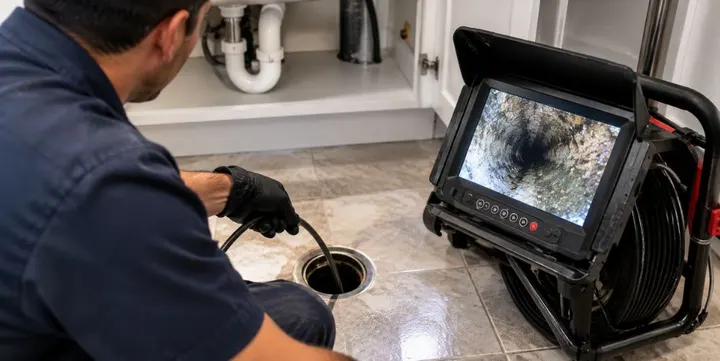
A drain inspection helps plumbers identify the source of restricted flow before attempting clog removal. Since aging pipes can develop both internal buildup and structural defects, checking the drainage system helps distinguish ordinary blockages from pipe damage. Professionals examine several factors, such as:
- Drainage symptoms: Slow drainage, gurgling sounds, and backups across multiple fixtures help identify where restrictions may occur.
- Pipe materials: Cast iron, galvanized steel, and older plastic pipes have different wear patterns that affect cleaning decisions.
- Camera inspection: When access and pipe conditions allow, a drain camera can reveal obstruction locations, damaged sections, and internal deterioration.
These findings help plumbers select a suitable cleaning method and identify areas that need further attention. A proper inspection also reduces the risk of using equipment on weakened pipe sections.
Match the Method to the Pipe
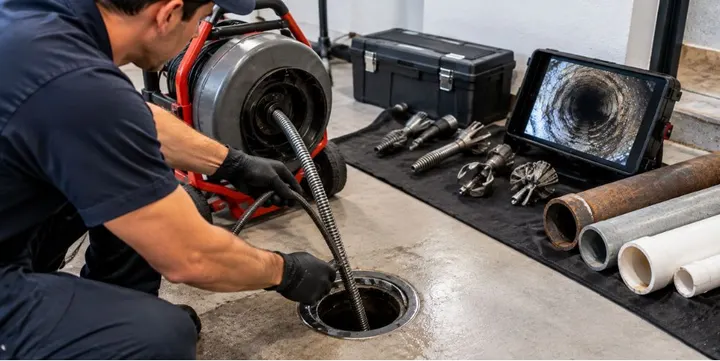
Effective clog removal depends on choosing equipment that matches the drain line's size, material, and condition. Older plumbing systems may contain weakened sections that cannot tolerate aggressive cleaning. Professionals consider these factors when selecting an approach:
- Pipe diameter: Properly sized cables and attachments help clear obstructions without applying unnecessary pressure to the pipe walls.
- Pipe material: Cast iron, galvanized steel, and plastic drain lines require different handling based on their condition and resistance to damage.
- Blockage type: Hair, grease, and compacted debris may require different cleaning attachments or techniques.
- Structural condition: Cracks, corrosion, and loose joints can limit which mechanical cleaning methods are safe to use.
For aging pipes, controlled mechanical cleaning may offer a suitable option when the line remains structurally sound. Professionals adjust their approach to remove the obstruction while protecting vulnerable sections from further damage.
Know When Cleaning Is Not Enough
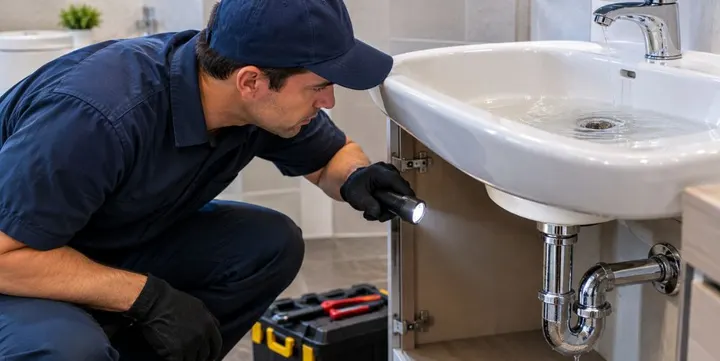
Repeated drainage problems may indicate damage that clog removal cannot resolve. Although cleaning can remove accumulated waste, it cannot correct broken joints, collapsed sections, or severe pipe deterioration. Certain warning signs suggest that aging pipes need more than routine maintenance, including:
- Recurring blockages: Clogs that return shortly after cleaning may indicate persistent obstructions or damaged sections of the pipe.
- Repeated sewage backups: Wastewater returning through floor drains or lower fixtures can signal a serious obstruction or structural defect.
- Consistently slow drainage: Multiple fixtures draining slowly despite cleaning may indicate a restriction deeper in the drainage system.
- Visible pipe deterioration: Corrosion, leaking joints, and damaged sections may require repairs rather than another cleaning attempt.
When these problems persist, plumbers may recommend localized repairs, replacement of damaged sections, or further inspection. Addressing the underlying damage helps restore dependable drainage and reduces the likelihood of repeated blockages.
Stop Chasing the Same Clog
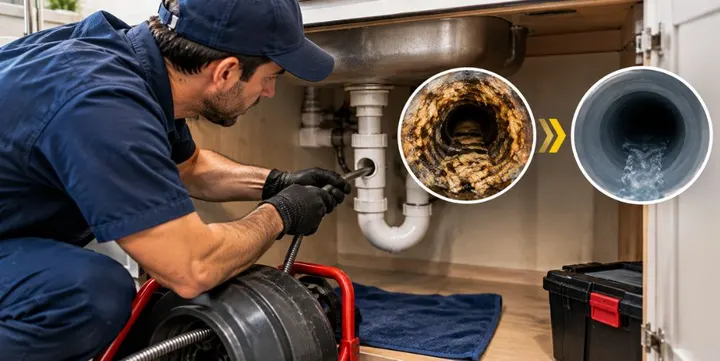
Clearing a blockage only to watch it return can become a frustrating cycle. As aging pipes develop corrosion, internal buildup, and structural wear, ordinary drain cleaning may no longer deliver lasting results. Instead of relying on repeated cleaning attempts, effective clog removal starts with identifying the obstruction, evaluating the pipe's condition, and choosing a method that addresses the underlying problem. This approach helps reduce recurring blockages while protecting older drain lines from unnecessary damage. Break the cycle of repeated clogs by scheduling professional clog removal services in Bessemer, AL, and get your plumbing assessed before another blockage disrupts your routine.
References:
- Pujol, J. (2025, January 5). Scale, Corrosion, and Plumbing: What You Need to Know. Retrieved from https://mytapscore.com/en-ca/blogs/tips-for-taps/scale-corrosion-and-plumbing
- Worsfold, H. (2025, August 5). Aging Pipes: The Hidden Hazard. Retrieved from https://www.onewatersystems.com/news/aging-pipes-the-hidden-hazard/
Keep Reading
Similar Posts


