
Spring Plumbing Maintenance Checklist for Homeowners
Spring arrives faster than expected. In one week, you’re watching frost on the grass, and the next, you’re dealing with four inches of rain in…
Spring arrives faster than expected. In one week, you’re watching frost on the grass, and the next, you’re dealing with four inches of rain in three days. That seasonal whiplash, such as cold winters followed by heavy spring downpours, is exactly why spring plumbing maintenance matters more here than in most of the country.
Spring is the second-wettest season of the year. Fortunately, most plumbing problems that surface in spring are preventable. Catching them now helps prevent expensive repairs. Many household leaks can waste nearly 10,000 gallons of water per year, and many of those leaks have been dripping unnoticed. However, by following this plumbing maintenance checklist, homeowners can improve system performance, reduce water waste, and identify problems before they cause significant damage.

Check for Winter Pipe Damage First
Winter temperatures can place stress on plumbing pipes, especially in older homes. Even if pipes do not freeze completely, temperature fluctuations can weaken materials and create small leaks. During your spring plumbing maintenance inspection, look for the following warning signs:
- Discolored water: Rust-colored flow from a faucet that sat cold all winter can signal corrosion inside aging galvanized pipes.
- Reduced water pressure: A damaged or partially blocked pipe can restrict water flow.
- Damp walls or ceilings: Moisture stains often signal a hidden leak.
- Unexpected water bill increases: Higher usage without explanation may indicate water loss within the system.
Addressing these issues early helps prevent water damage and extends the life of your plumbing system. Seek professional leak detection and plumbing repair to help locate the problem without guesswork.

Test Sump Pump Before Spring Rains Peak
Spring rain can increase the risk of flooding in basements or crawl spaces. Because of this, sump pump testing should be part of every seasonal plumbing maintenance routine.
Here’s how to test your sump pump:
- Locate the sump pit (usually in the basement or crawl space).
- Pour a bucket of water slowly into the pit until the float rises.
- The pump should activate within seconds and clear the water.
- Listen for grinding or rattling. Those sounds mean the motor or impeller is wearing out.
- Check the discharge line outside to confirm water is actually exiting the home.
If the pump struggles to remove water or shows signs of wear, schedule an inspection before heavy rainfall arrives.

Flush and Inspect Water Heater
Water heaters account for roughly 18% of home energy use, according to the U.S. Department of Energy, and sediment buildup is the leading cause of reduced efficiency and early failure. Over time, sediment settles to the bottom of the tank, reducing performance.
Include the following in your spring water heater checklist:
- Flush the tank: Fasten a hose to the drain valve at the base, run it outside or to a floor drain, and flush until the water runs clear once a year is the standard recommendation.
- Check the anode rod: Replace it if significant deterioration is visible.
- Examine the pressure relief valve: Lift the lever briefly, confirm that water releases, then reseats cleanly. Replace the valve that doesn’t reseat or drips afterward.
- Note the age: Most traditional water heaters last 8 to 12 years.
The U.S. Department of Energy recommends annual flushing as a baseline plumbing maintenance step. It improves efficiency and helps prevent premature replacement.
Inspect Outdoor Faucets and Irrigation Lines
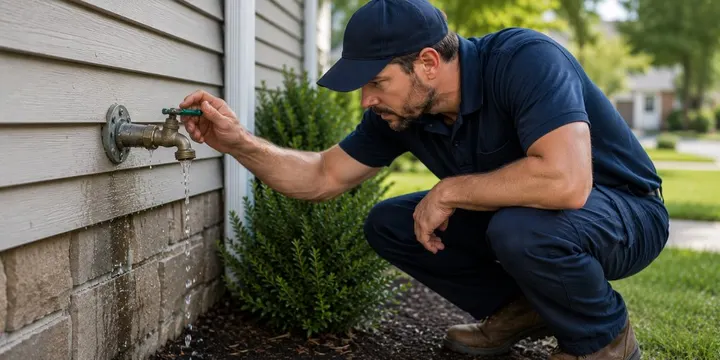
Outdoor plumbing components are the most exposed part of your plumbing system during cold snaps. Consequently, they should receive special attention during spring plumbing maintenance. Inspect the following:
- Outdoor faucet: Check for reduced flow, dripping at the wall connection, or water leaks around the connection.
- Irrigation lines: Examine visible pipes and fittings for separation or damage.
- Backflow preventors: Verify that protective devices remain intact and functional. If you find damage or missed inspections, arrange a backflow prevention service should be on your spring list.
Clear Drains and Inspect Sewer Lines
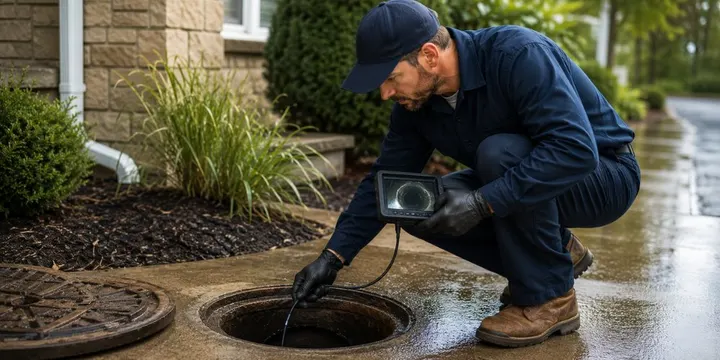
Spring’s heavy rainfall puts extra demand on the drainage and sewer infrastructure. Root intrusion accelerates in spring as trees push new growth toward moisture. It can also place additional pressure on underground plumbing systems. Watch for these warning signs:
- Slow drains: Multiple slow drains may indicate a main line issue.
- Gurgling sounds: Unusual noises can signal venting or blockage problems.
- Recurring clogs: Frequent backups often point to a larger obstruction.
- Sewer odors: Persistent smells may indicate a damaged drain line.
- Standing water: Do not ignore water pooling near drains.
Professional inspections can identify developing sewer problems before they require major repairs.
Check Toilets, Faucets, and Visible Fixtures for Leaks
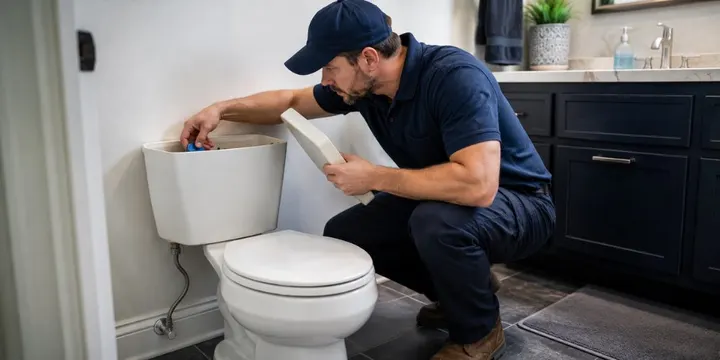
A running toilet can waste up to 200 gallons of water per day, according to EPA WaterSense data. In a home with two or three toilets, neglecting service since last spring adds up quickly. Therefore, leak detection should be a key part of your spring plumbing maintenance routine.
Inspect these common problem areas:
- Toilet dye test: Drop a food coloring tablet into the tank. Wait 10 minutes without flushing. The color in the bowl means the flapper is leaking.
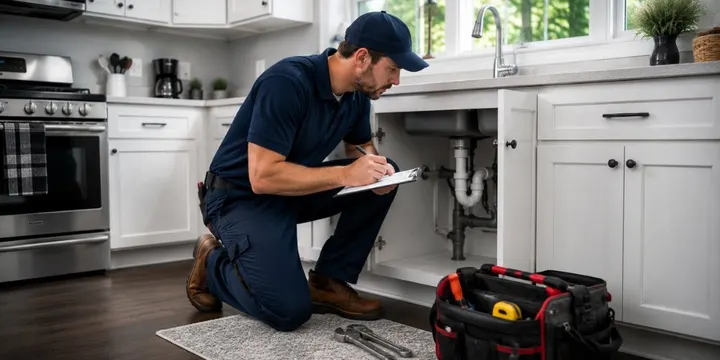
- Check under sinks: Open cabinet doors under every bathroom and kitchen sink and look for moisture, mineral staining, or soft cabinet floor boards. These signals slow the drip leaks.
- Test faucet handles: Check for dripping after shutoff. A dripping faucet typically wastes 3,000+ gallons per year.
- Look at the water meter: Shut off everything in the house, then check your meter. If the dial continues to move, water is escaping to an unintended location.
Keep Your Plumbing System Running Efficiently
Spring is the perfect time to focus on plumbing maintenance. By inspecting pipes, testing your sump pump, servicing your water heater, checking fixtures, and evaluating drains, you can identify small problems before they become major repairs. A proactive approach not only improves system performance but also helps protect your home from water damage and unnecessary expenses year-round.
Schedule a spring plumbing maintenance in Alabama and start the season without surprises.
References:
- Fix a Leak Week: How to Detect and Fix Household Leaks. (2023). U.S. Environmental Protection Agency WaterSense. https://www.epa.gov/watersense/fix-leak-week
- Water Heating. (2023). U.S. Department of Energy — Energy Saver. https://www.energy.gov/energysaver/water-heating
Keep Reading
Similar Posts


