
How Construction Errors Lead to Costly Sewer Blockages
Sewer blockages are more than an inconvenience. They disrupt daily life, damage property, and drive up sewer line repair costs. For homeowners and contractors alike,…
Sewer blockages are more than an inconvenience. They disrupt daily life, damage property, and drive up sewer line repair costs. For homeowners and contractors alike, these issues often originate from mistakes made long before the first backup which are construction missteps. These usually remain buried underground and unnoticed, eventually becoming disasters.
By then, repairs would not only be urgent but also expensive. These unseen issues heavily strain homeowners while they frustrate professionals, as they might experience recurring clogs, root intrusion, and total pipe collapse. So, instead of guessing where the fault lies, it’s crucial to understand how construction directly affects sewer health. Contractors need awareness, and homeowners need vigilance.
Poor Pipe Slope Design Causes Flow Issues
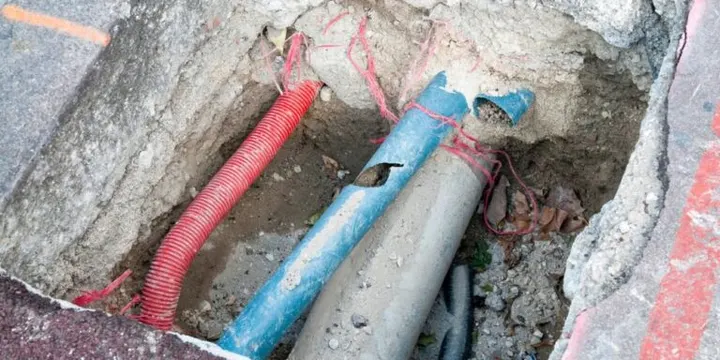
The slope of a sewer pipe is not an estimate—it’s a specification. A proper gradient allows wastewater to flow steadily. However, poor construction disrupts this basic principle.
When installers get the slope wrong, waste slows down or stops altogether. It invites solids to settle and build up. Eventually, that buildup turns into a blockage.
Typical consequences include:
- Wastewater is collecting in low sections of the pipe.
- Increased odor due to standing sewage.
- Sediment buildup is triggering total clogs.
- Grease and debris are accumulating faster than normal.
Correcting slope errors usually requires excavation and complete pipe replacement, drastically increasing sewer line repair costs.
Use of Substandard Materials in Construction
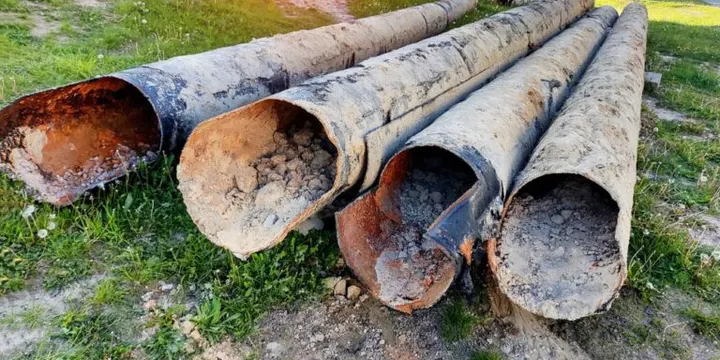
Some builders prioritize short-term savings over long-term reliability. That often means choosing the cheapest materials available. Unfortunately, low-cost pipes rarely stand the test of time.
Common problems with inferior materials include:
- Cracking under pressure or soil movement.
- Faster corrosion, especially in older metal pipes.
- Brittleness in plastic materials under cold conditions.
- Collapse from shallow burial or external pressure.
When failure occurs, homeowners are stuck with repairs that cost far more than quality pipes would have added to the budget. The result? A rising sewer line repair cost.
Improper Joint Connections Lead to Misalignment
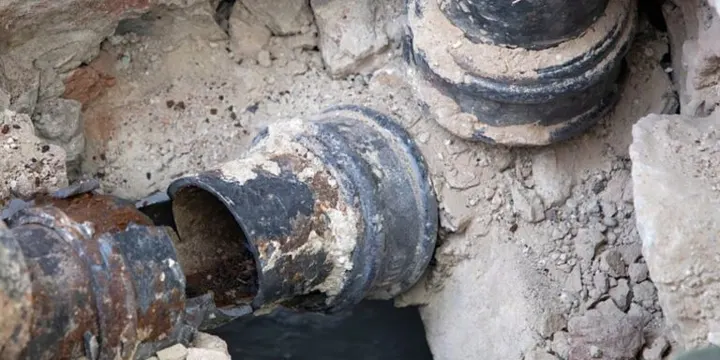
A sewer line is only as strong as its joints. Poor joint work creates entry points for debris, water infiltration, or roots. Vibration from nearby construction or soil movement worsens misalignment over time. Once the damage spreads, complete repair becomes necessary—sometimes requiring pipe re-routing. This is especially true when installers don’t align or seal joints correctly.
These gaps allow:
- Dirt and debris can enter the pipe.
- Tree roots can penetrate and grow inside.
- Water to leak out and erode the surrounding soil.
Joint failure is often gradual. That significantly drives up the cost of sewer line repair.
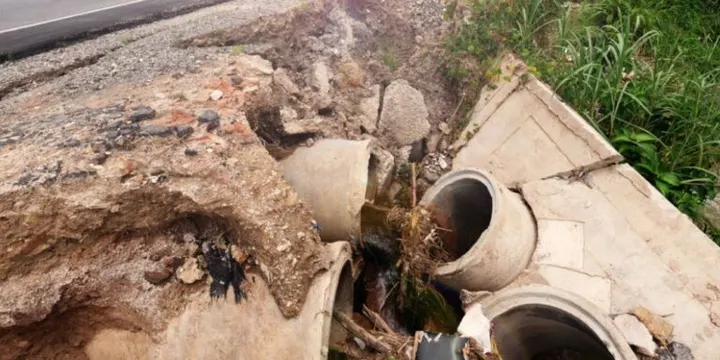
Unintentional Pipe Damage During Construction
Backhoes, trenchers, and excavation tools are mighty. When used without precision, they pose a serious threat to underground utilities. It’s not uncommon for workers to hit or crush sewer pipes without noticing.
These hidden damages lead to:
- Pipe collapses weeks or months later.
- Misdiagnosed backups that keep recurring.
- Repairs requiring camera inspection and re-digging.
Fixing these problems often requires removing concrete, landscaping, or driveways, quickly raising sewer line repair costs.
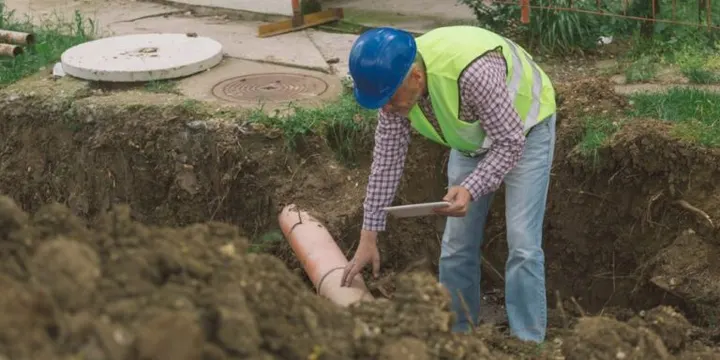
Lack of Permitting and Inspection Oversight
Skipping permits or avoiding final inspections is a shortcut some builders take. While this might speed up timelines, it bypasses crucial checks that catch construction errors.
Consequences of skipping oversight include:
- Missed slope or material violations.
- Unchecked joint quality or pipe placement.
- Municipal code violations with costly fines.
- Forced retroactive repairs.
When errors go undetected, they eventually lead to system failure. In these cases, the sewer line repair cost isn’t limited to plumbing.
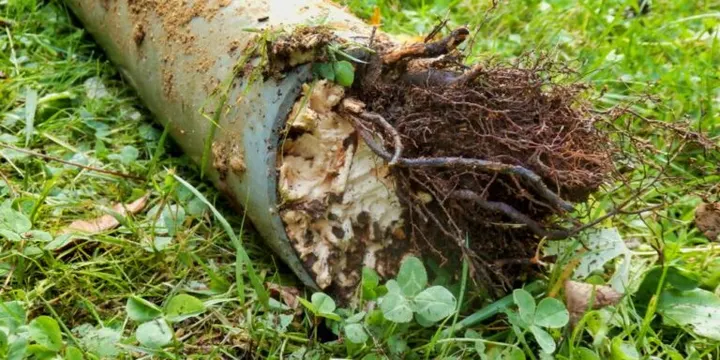
Failure to Accommodate Tree Root Intrusion
Tree roots don’t need much space to invade sewer lines. Builders who ignore landscaping layouts or root-prone areas create long-term problems for homeowners.
What happens when tree roots get in:
- Roots grow into tiny pipe cracks or joints.
- Inside the pipe, they expand and trap waste.
- Stubborn clogs form that typical tools can’t clear.
When root intrusion becomes severe, pipe replacement is the only option. Repairs may involve cutting trees, digging through foundations, or relining entire systems. These extensive interventions increase sewer line repair costs far beyond basic clog removal.
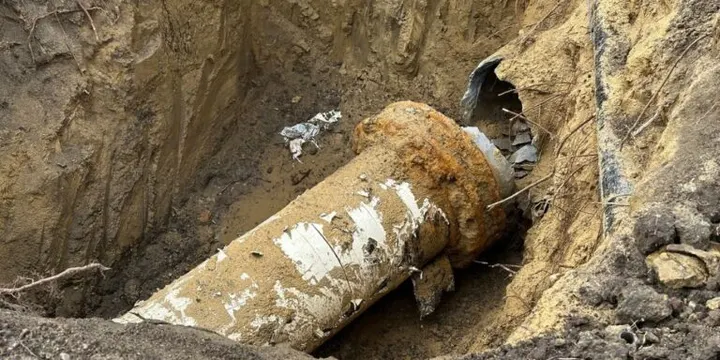
Ignoring Proper Bedding and Backfill Practices
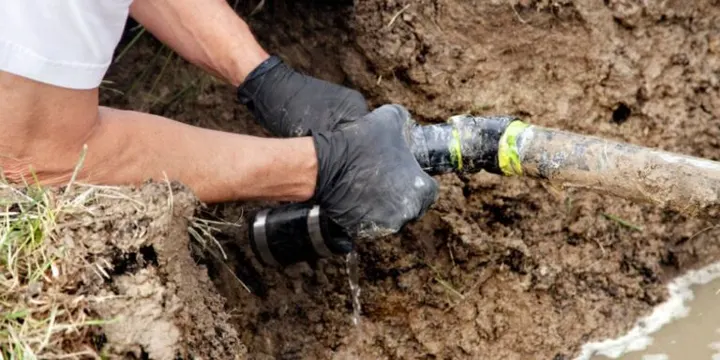
Pipes buried without proper support don’t stay aligned. Bedding refers to the material placed under and around sewer lines to hold them steady. Incorrect installation makes pipes sag, shift, or collapse.
Results of poor bedding and backfill include:
- Low spots where waste pools and cause backups.
- Pipe deformation under soil pressure.
- Surface cracking from hollow ground below.
- Soil erosion around unsupported pipes.
All of these issues eventually require invasive repairs. You’ll pay for excavation, backfill correction, and reinstallation. The cost of sewer line repair increases with every inch of pipe that fails due to bad backfill.
Misjudging Sewer Line Placement and Load Bearing
Bury sewer pipes deep enough to avoid surface pressure. Poor placement decisions are hard to fix. Add the cost of replacing the surface afterward, and your sewer line repair cost jumps quickly. When installed too close to driveways or walkways, they bear more weight than designed.
This results in:
- Cracks from repeated vehicle loads.
- Deformation from improper cover depth.
- Failures during freeze-thaw cycles in colder climates.
Protecting Your Home from Preventable Sewer Disasters
Most sewer blockages don’t start with what gets flushed down the drain. They begin with construction choices that seem small but become costly. You don’t need to wait until your lawn floods or your basement smells. You can avoid significant repairs by making informed decisions during construction and renovation.
Don’t settle for quick fixes when it comes to sewer systems. Preventing construction-related blockages takes more upfront effort but is far less expensive in the long run. Poor construction is silent, but the cost it brings is loud. If you’re facing frequent backups or suspect a construction-related issue, consult a sewer line repair cost in Birmingham, AL, to inspect and prevent high-cost repairs before they escalate.
References:
- Cole H., Court H., Deutschmann J. W., Lipscomb M. Identifying the Costs of Sewer and Stormwater Blockages. (n.d.) Retrieved from https://thedocs.worldbank.org/en/doc/c10828436610c6ef703402f2127f8146-0050012025/related/Identifying-the-Costs-of-Sewer-and-Stormwater-Blockages-Lipscomb.pdf
- The Five-Year Impact of Sewer Blockages – UnblockTober. (n.d.). Retrieved from https://www.unblocktober.org/blog/five-years-impact-drain-and-sewer-blockages-over-half-decade
Keep Reading
Similar Posts


