
Common Sump Pump Cleaning Errors You Should Avoid
If you’ve ever dealt with a flooded basement, you already know how valuable a sump pump is. This hardworking device quietly protects your home from…
If you’ve ever dealt with a flooded basement, you already know how valuable a sump pump is. This hardworking device quietly protects your home from water damage, especially during snowmelt or heavy rain. But like any system, it needs regular maintenance to function correctly. That starts with proper sump pump cleaning.
The problem? Many homeowners overlook or mishandle this task. And while cleaning a sump pump might seem simple enough, a few common mistakes can lead to system failure or even worse—costly repairs.
So, let’s walk through the cleaning errors you should avoid and how to do it correctly.
Why Sump Pump Cleaning Matters
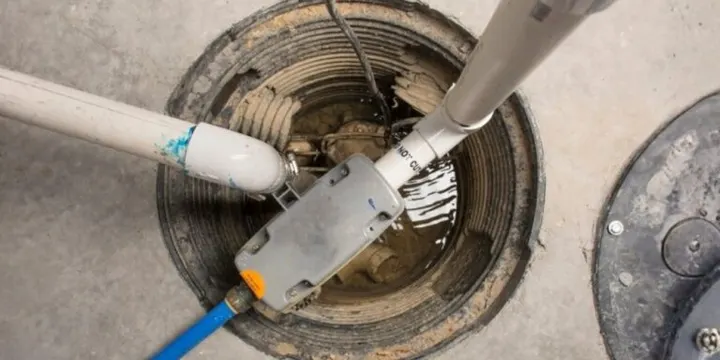
Before we get into the mistakes, it’s essential to understand what’s at stake. Your sump pump removes water from the sump pit and diverts it away from your foundation. Over time, dirt, gravel, and other debris can clog the system, preventing it from operating as it should.
Without proper sump pump cleaning, you risk:
- Reduced pump efficiency
- Clogs in the discharge line
- Burnout of the motor
- Basement flooding
Even if your pump seems to work fine, neglecting routine cleaning shortens its lifespan and leaves you vulnerable when needed.
Mistake 1: Forgetting to Disconnect the Power
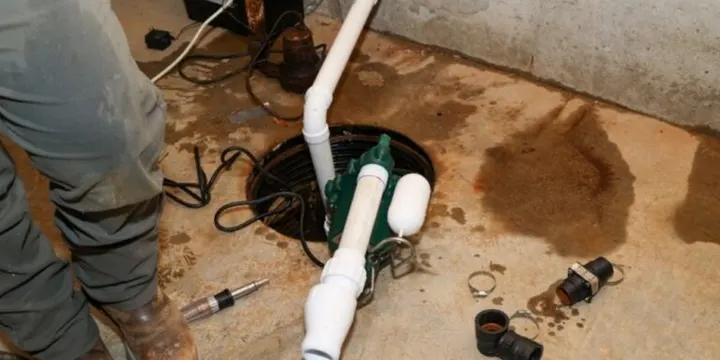
Let’s start with safety. One of the most common (and dangerous) cleaning mistakes is failing to unplug the sump pump before maintenance. Water and electricity are a dangerous mix. If you forget this step, you expose yourself to shock or injury.
What to do instead:
Always disconnect the power source before cleaning your sump pump. If it’s hardwired, turn off the breaker. This ensures your safety while you work.
Mistake 2: Not Removing the Pump for a Thorough Clean
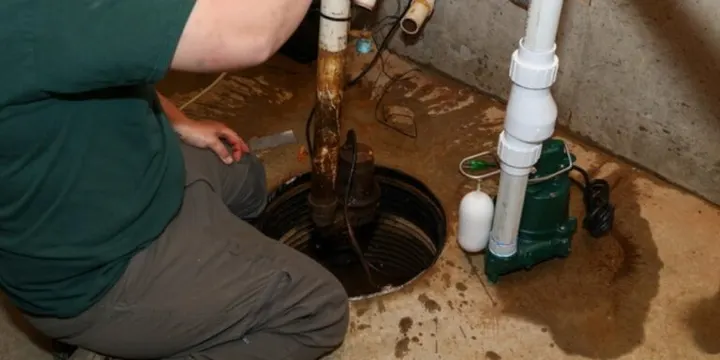
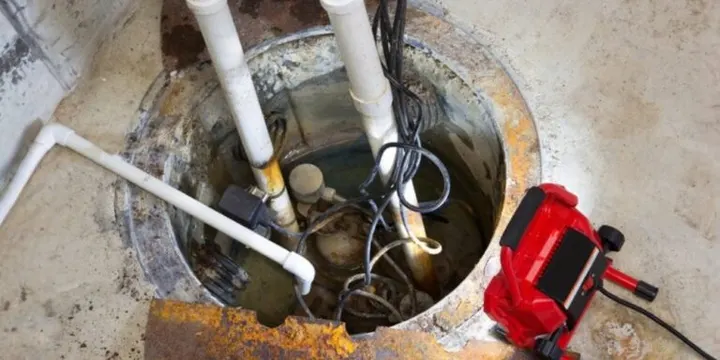
Many people try to clean their sump pump without taking it out of the pit. But leaving it in place limits access and makes it hard to remove grime that builds up around and under the pump.
The better move:
Remove the pump entirely from the basin. Once it’s out, you can inspect it closely, scrub off residue, and clear debris hiding underneath. This small step makes sump pump cleaning far more effective.
Mistake 3: Ignoring the Check Valve
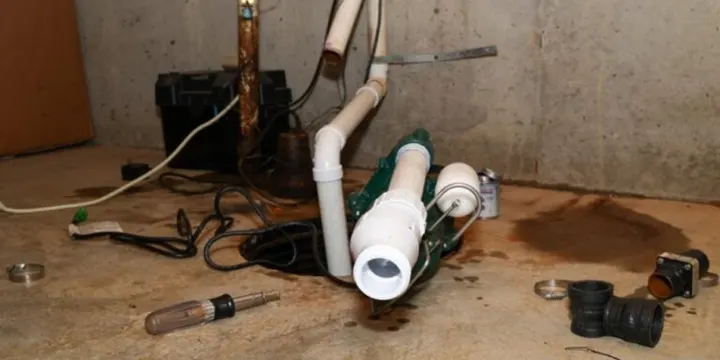
The check valve is crucial because it stops water from flowing back into the pit after the pump turns off. If you skip inspecting and cleaning this part, you risk backflow issues, extra wear on the pump, and—yes—basement water damage.
Instead, try this:
Remove the check valve and flush it with water. Check for buildup or blockages. If it shows signs of wear, replace it. Keeping the check valve clean goes hand in hand with cleaning the overall sump pump.
Mistake 4: Using Harsh Chemicals
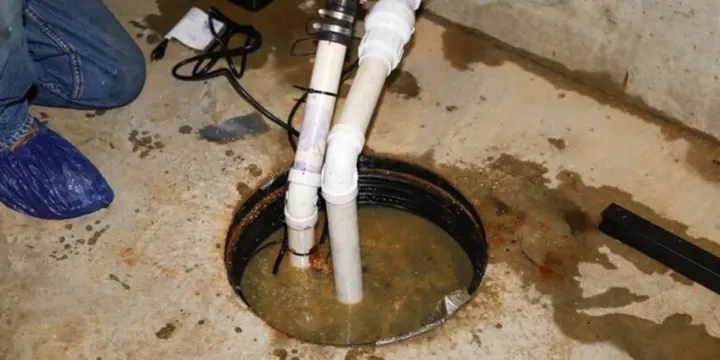
Grabbing a bottle of drain cleaner or bleach is tempting, especially if your pump smells or looks grimy. However, harsh chemicals can damage the pump components and the environment.
Stick to this rule:
Use warm water, a mild detergent, and a soft brush or cloth. These tools are more than enough to clean the pump without damaging its parts. Remember, gentle care ensures the pump lasts longer.
Mistake 5: Skipping the Discharge Line
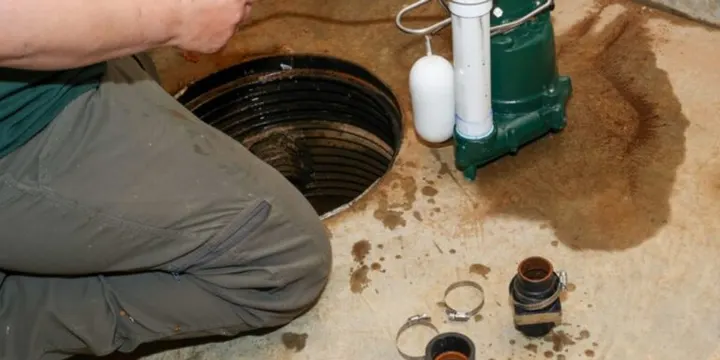
A clean pump won’t help much if the water has nowhere to go. Many homeowners forget to check the discharge line while focusing on the pump. However, blockages in this line can cause backups or slow drainage.
Don’t skip this part:
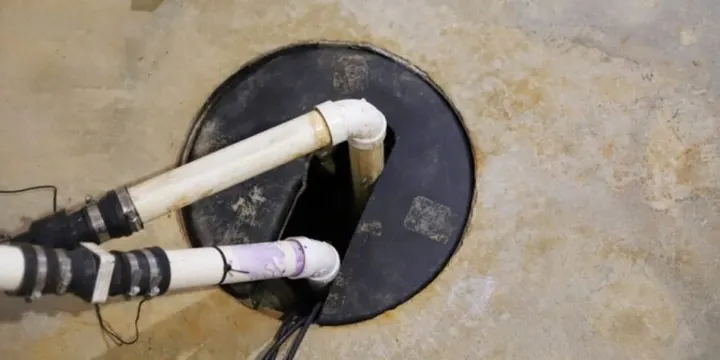
Inspect the entire discharge pipe. Look for clogs, frozen sections (especially in winter), and debris buildup. Flushing the line with a garden hose during your sump pump cleaning routine keeps things flowing smoothly.
Mistake 6: Only Cleaning When Something Goes Wrong
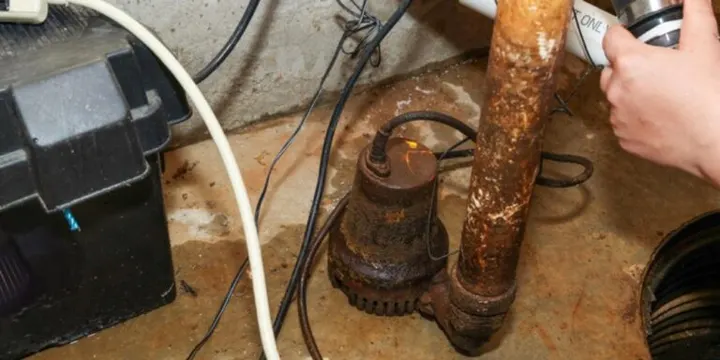
Waiting until your basement smells musty or the pump makes weird noises isn’t the best approach. When you notice those symptoms, the problem may have already escalated.
Here’s a smarter habit:
Set a schedule for regular sump pump cleaning. Clean the system at least once every three to four months. If your area sees frequent rain or snow, do it more often. Prevention is always cheaper than repairs.
Mistake 7: Overlooking the Float Switch
It activates the sump pump when the water rises. If it gets stuck or covered in gunk, the pump may never kick on, resulting in a full sump pit and a wet basement floor.
During your cleaning:
Move the float switch up and down to ensure it moves freely. Clear away any debris or grime around it. This simple check keeps your pump working automatically as it should.
Mistake 8: Ignoring Professional Help When It’s Needed
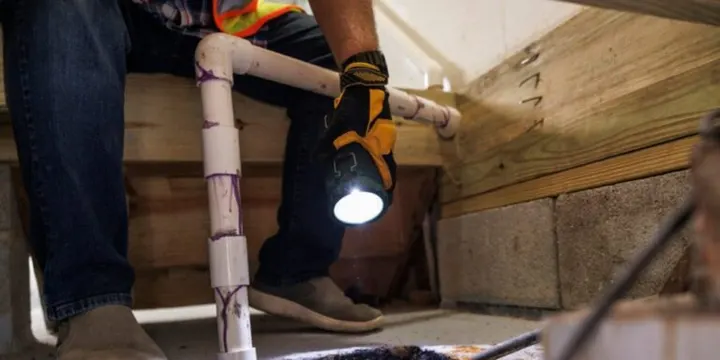
Sometimes the issues with your sump pump go beyond basic cleaning. If your pump runs constantly, makes loud noises, or fails to remove water properly, it might need more than a quick rinse.
Here’s your signal:
Don’t hesitate to call in a plumber or waterproofing specialist. While routine sump pump cleaning is an excellent DIY task, specific problems require a professional eye.
Clean Smart, Stay Dry
Keeping your sump pump clean may not be glamorous, but it’s one of the most important maintenance steps for any homeowner with a basement. Skipping or mishandling sump pump cleaning creates entirely avoidable problems.
Here’s what to remember:
- Always unplug the pump before starting
- Remove it for full access
- Clean the check valve, float switch, and discharge line
- Use safe cleaning materials
- Stick to a schedule
By avoiding these common mistakes, you can extend the lifespan of your pump, reduce the risk of flooding, and save money on repairs. And if things ever look more complicated than expected, don’t hesitate to get expert help for sump pump cleaning in Midfield, AL.
Because when it comes to sump pump cleaning, doing it right the first time keeps your home protected every time.
References:
- Gerster, F. M., Vernez, D., Wild, P. P., & Hopf, N. B. (2014). Hazardous substances in frequently used professional cleaning products. International Journal of Occupational and Environmental Health, 20(1), 46–60. https://doi.org/10.1179/2049396713y.0000000052
Keep Reading
Similar Posts


Commercial Plumbing 101: An Introduction to the Unique Challenges of Business Plumbing
Read More

