
That Musty Smell May Be Plumbing Issues in Disguise
Have you noticed a musty smell hanging around your home, no matter how much you clean? It’s easy to blame mold, especially when the scent…
Have you noticed a musty smell hanging around your home, no matter how much you clean? It’s easy to blame mold, especially when the scent seems to come and go. However, many overlook that plumbing issues might be the source.
Pipes leaking behind walls or under floors can create the perfect conditions for unpleasant odors. In addition, moisture from these leaks often builds up slowly, making the smell hard to trace. These hidden problems don’t just smell bad, but they can also cause severe damage. Keep reading to uncover what your nose might already know.
What Does a Musty Smell Mean?
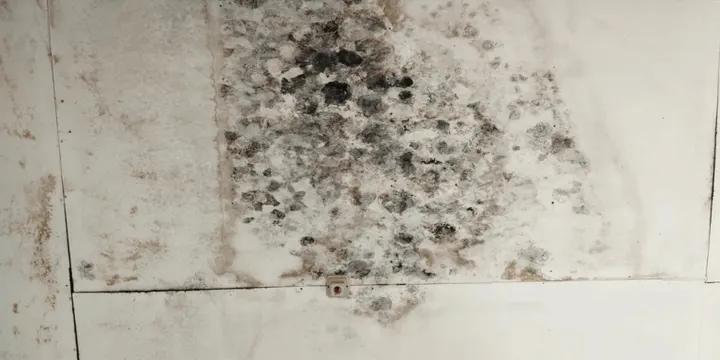
A musty smell indicates excess moisture in the home, even when no water is visibly present. Initially, it may also seem minor, but it can point to more serious issues developing behind walls, under flooring, or inside cabinets. Musty odors typically share the following characteristics:
Earthy or Damp Scent
- Often compared to wet cardboard, soil, or a basement.
- This scent is usually the first sign of excess moisture, even without visible water or mold.
- It often indicates organic material is breaking down in damp conditions.
Persistent in Closed Spaces
- Common in areas with limited ventilation, such as bathrooms, crawl spaces, closets, or under sinks.
- Moisture stays trapped in these locations, allowing the odor to linger.
- Over time, the smell may intensify or spread to nearby rooms.
Stronger in Humid Conditions
- High humidity increases the moisture content in materials like drywall, insulation, and wood.
- These damp materials release more pungent odors as they absorb and hold moisture.
- Seasonal humidity or poor indoor ventilation can make the smell more noticeable.
While mold is a well-known cause of musty odors, it is not the only one. The following distinctions can help identify whether the issue stems from mold growth or hidden plumbing issues:
- Mold-related odors typically develop when fungi grow on damp building materials, often due to poor ventilation or persistent leaks.
- Plumbing-related odors result from hidden leaks that create moisture pockets behind walls, under floors, or inside cabinets, but sometimes without visible damage.
Since both involve moisture, their odors often overlap. However, early identification and fixing of plumbing issues help prevent further damage and mold growth.
Common Plumbing Issues That Cause Musty Odors
Musty odors indoors often signal hidden moisture concerns tied to plumbing. Ignoring the smell won’t resolve the underlying cause. Instead, homeowners should investigate the source. The following are common plumbing issues that often lead to musty indoor air:
- Leaky pipes: Even small leaks behind walls or under sinks allow moisture to build up, encouraging mold growth and musty smells.
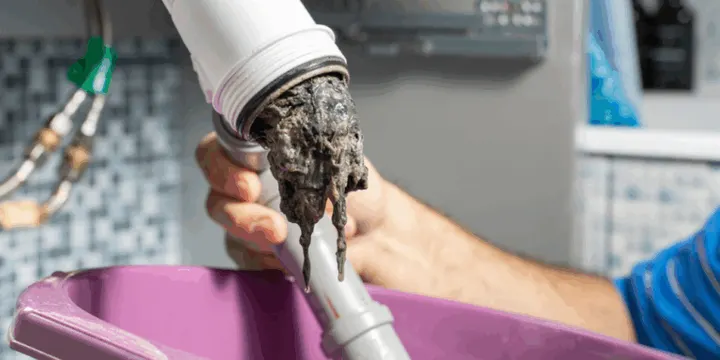
- Clogged drains: Accumulated debris in sinks or tubs creates stagnant water, often producing unpleasant odors.
- Dry P-traps: Unused drains may lose their water seal, allowing sewer gases to escape and create a foul smell indoors.
- Vent pipe blockages: When air can’t flow through plumbing vents, pressure builds, forcing gases back into your home.
- Worn toilet seals: A damaged wax ring or loose base lets water and odor escape, affecting nearby flooring and air quality.
On the other hand, managing these plumbing issues early prevents further complications and keeps your home’s environment clean and safe.
Risks of Ignoring Plumbing-Related Musty Odors
Musty odors in your home often point to hidden moisture problems. While they may seem minor initially, these smells can indicate more serious plumbing issues that need prompt attention. The following highlights the risks of overlooking these warning signs:
- Mold and mildew growth: Leaks or standing water create the damp conditions mold needs to spread, damaging surfaces and affecting air quality.
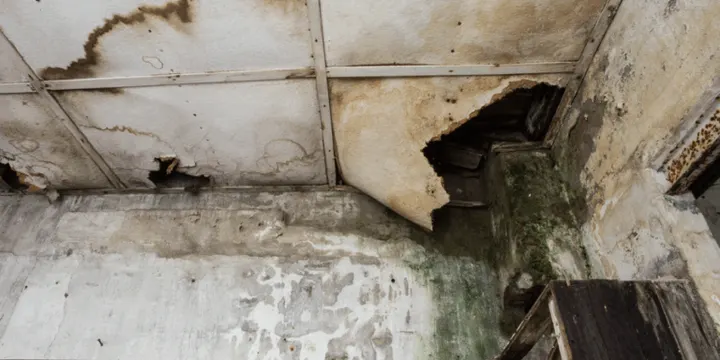
- Structural damage: Moisture from plumbing problems can slowly weaken wood, drywall, or flooring, leading to costly repairs if left unresolved.
- Higher repair costs: Delaying action allows small leaks to become larger problems, increasing the scope and expense of future repairs.
- Health effects: Musty environments may trigger respiratory symptoms or worsen conditions like asthma.
- Reduced home value: Ongoing odor and visible damage can deter buyers and lower your property’s market appeal.
Therefore, addressing musty smells early helps prevent damage and keep your plumbing system functioning properly.
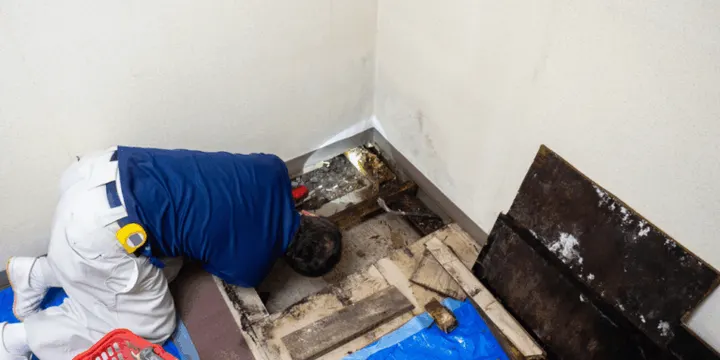
What to Do if You Suspect Plumbing Issues
When something seems off with your home’s water system, quick action can prevent bigger problems. The following steps will help you respond effectively if you suspect plumbing issues:
- Check visible areas: Look under sinks, behind appliances, and around fixtures for moisture or signs of leaks.
- Listen for changes: Notice gurgling sounds, dripping, or inconsistent water flow that may point to hidden problems.
- Observe water pressure: A sudden drop or inconsistent flow often signals a leak or blockage.
- Track odors or stains: Musty smells and stains on walls or ceilings may signal concealed water damage.
- Call a licensed plumber: A professional examines your system, identifies the issue’s source, and recommends the necessary fix.
Thus, addressing plumbing issues at the first sign can lessen their impact and help preserve your home’s stability and livability.
Don’t Ignore the Smell
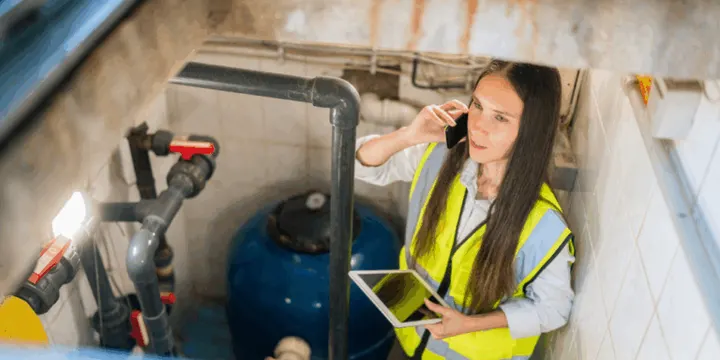
That musty odor lingering around your home isn’t just an inconvenience but a warning. While many blame mold, persistent moisture, and odors, they often cause hidden plumbing issues. Rather than covering up the smell, it’s better to address the root cause. Ignoring it may lead to more costly damage and health concerns over time.
If you’re unsure where to start, don’t wait long and act fast. For trusted help, check out professional services that handle plumbing issues in Alabama. They’ll pinpoint the source and help you breathe easier—literally.
References:
- Nguyen, O. (2024, June 4). Commonly encountered plumbing issues. Retrieved from https://www.tws.edu/blog/articles/commonly-encountered-plumbing-issues/
- News Desk. (2019, March 11). Dry P-Traps can lead to sewer smell – but there’s an easy fix – OnFocus. Retrieved from https://www.onfocus.news/dry-p-traps-can-lead-to-sewer-smell-but-theres-an-easy-fix/
Keep Reading
Similar Posts


