
Plumbing Maintenance Uncovers Hidden Pipe Corrosion
Not every plumbing problem starts with a dripping pipe or a sudden drop in water pressure. Pipe corrosion can gradually develop inside plumbing lines while the system continues to function as expected. As deterioration progresses, homeowners may notice changes in water quality, flow, or pressure. By then, some pipe sections may already have weakened, increasing the risk of leaks and water damage.
Routine plumbing maintenance can uncover signs that are easy to miss during everyday use. Professionals can check pipe conditions, pressure levels, fittings, and potential leaks before disrupting the plumbing system. With earlier detection, homeowners can address worn sections before a minor concern leads to pipe failure. This preventive approach can also reduce repair costs and protect surrounding walls, floors, and fixtures from water damage.

Why Pipe Corrosion Stays Hidden
Pipe corrosion often starts on the interior surfaces of pipes or in areas homeowners cannot see. As a result, pipes behind walls, beneath floors, and around enclosed fixtures may deteriorate without producing an immediate leak. Several conditions can contribute to this process, such as:
- Pipe age: Older metal pipes can lose material from their interior surfaces after years of water contact.
- Water chemistry: Factors such as pH, alkalinity, hardness, dissolved solids, chloride, and other water characteristics can influence how corrosive water is toward plumbing materials. In particular, low-pH water can corrode or dissolve metals.
- Mineral buildup: Deposits can accumulate on pipe walls, restrict water flow, and create conditions that promote corrosion.
- High water pressure: Excessive pressure places additional stress on aging pipes, joints, valves, and fittings.
- Mixed plumbing materials: Connecting certain metal types can cause galvanic corrosion, particularly around fittings and joints.
Since much of this damage occurs internally, routine plumbing maintenance helps professionals identify developing problems before a pipe fails.

Warning Signs You Shouldn’t Ignore
Although pipe corrosion can remain hidden, changes in water quality and plumbing performance often provide clues. Homeowners should pay attention when the same issue occurs repeatedly or affects more than one fixture. In particular, watch for the following warning signs:
- Rusty or discolored water: Brown, yellow, or reddish water may indicate corrosion inside metal plumbing lines.
- Metallic taste: A noticeable metallic taste can indicate changes in aging pipes.
- Changes in water clarity: Cloudiness or particles in the water may warrant further inspection, especially when the problem continues.
- Low water pressure: Corrosion or mineral deposits can reduce a pipe’s interior diameter, restricting water flow.
- Recurring leaks: Repeated leaks along aging plumbing lines may indicate thinning pipe walls or deteriorating connections.
- Damp surfaces: Moisture on walls, ceilings, cabinets, or floors can signal a concealed plumbing leak.
- Higher water bills: An unexplained increase in water use may indicate a pipe leak, even when no visible leak is present.
If these signs persist, a plumbing inspection can help identify the root of the problem before corrosion causes further damage.

How Plumbing Maintenance Finds Corrosion
Regular plumbing maintenance allows experts to evaluate parts of the system that homeowners may not check during routine household care. Rather than focusing only on an active leak, professionals can look for conditions that suggest deterioration has started. Depending on the property and plumbing materials, maintenance may involve:
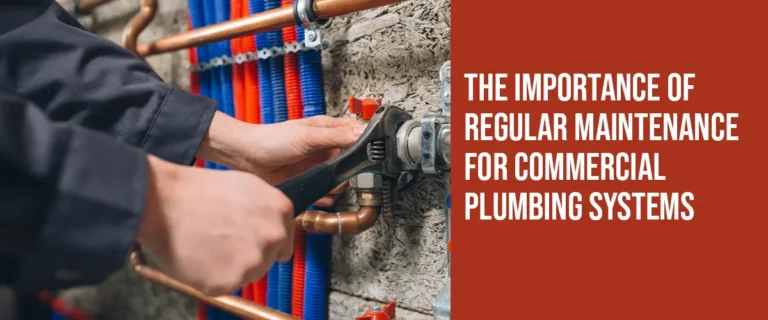
- Pipe inspections: Professionals examine accessible pipes for rust, flaking, stains, mineral deposits, moisture, and pinhole leaks.
- Pressure checks: Testing water pressure can identify excessive force that stresses aging pipes and connections.
- Connection checks: Inspecting joints, fittings, and valves can reveal corrosion at interfaces or where small leaks have developed.
- Water observations: Changes in color, clarity, taste, or odor may indicate internal corrosion in the pipes.
For older properties, scheduling plumbing maintenance before leaks occur can help identify worn plumbing sections that may otherwise remain unnoticed.

Check High-Risk Plumbing Areas
Some plumbing locations face more exposure to moisture, aging connections, or changing temperatures. For this reason, homeowners should include these areas in routine checks:
- Exposed pipes: Look for rust, discoloration, flaking, stains, mineral deposits, or small beads of water along the pipe surface.
- Fittings and joints: Check connections for corrosion, deposits, moisture, and signs of slow seepage.
- Valves: Inspect around valve bodies and connections for rust, staining, or water accumulation.
- Basements and crawl spaces: Examine accessible pipes since moisture, temperature fluctuations, and limited airflow can increase the risk of corrosion.
- Utility areas: Look for stains or leaks around plumbing connections near appliances and other water-using equipment.
- Water heater connections: Inspect supply lines, fittings, and nearby piping for corrosion, mineral buildup, or moisture.
These visible areas can provide early clues about conditions affecting less accessible parts of the plumbing system.

Prevent Corrosion From Spreading
Once pipe corrosion develops, addressing the contributing conditions can help protect other sections of the plumbing system. The following measures can reduce further deterioration:
- Repair leaks: Fix small leaks before moisture continues to affect nearby fittings and pipes.
- Correct water pressure: Maintain suitable pressure to reduce stress on weakened plumbing components.
- Address water conditions: Test or evaluate water when recurring corrosion suggests a chemistry or mineral issue.
- Replace deteriorated pipes: Remove sections with severe thinning, pinhole leaks, or extensive corrosion when repair is no longer practical.
- Use compatible materials: Match pipes, fittings, and connectors correctly to reduce galvanic corrosion.
Finally, make plumbing maintenance part of regular property care rather than waiting for a pipe to fail. Periodic pipe inspections, pressure testing, and leak detection can catch deterioration earlier, extend the plumbing service life, and reduce the risk of hidden water damage.

Make Plumbing Maintenance a Priority
A small change in water pressure or color can be easy to overlook, but it may be your plumbing system’s first warning. Since pipe corrosion often develops where you cannot see it, waiting for a visible leak can allow the damage to progress. Acting on early signs helps homeowners address worn pipes before they cause water damage. In addition, routine plumbing maintenance can uncover concerns that everyday use may not reveal.
Keeping a consistent maintenance schedule can make the difference between a planned repair and an unexpected plumbing failure. Professionals can check pipe conditions, pressure, and leaks to identify areas that need attention. If you are unsure where to start, consider contacting plumbing maintenance professionals in Hoover, AL, to assess your plumbing system. Schedule service before hidden pipe corrosion turns a small concern into a costly repair.
Reference:
- pH and Water. (2019, October 22). Retrieved from https://www.usgs.gov/water-science-school/science/ph-and-water