

Hidden Plumbing Fixes Needed Before Bathtub Installation
You’re planning a bathtub installation—a great choice. A new tub can transform your bathroom, giving it a fresh, modern look and offering the perfect relaxing…
You’re planning a bathtub installation—a great choice. A new tub can transform your bathroom, giving it a fresh, modern look and offering the perfect relaxing space. But before you pick out the design, color, or shape, there’s something you shouldn’t ignore: the plumbing hiding behind the walls and beneath the floor.
Let’s be real—many bathtub installations hit snags not because of the tub itself but because of what’s happening underneath. If your plumbing isn’t ready, you’re setting yourself up for leaks, drainage issues, and even water damage. That’s why handling the hidden plumbing fixes first is essential.
Before dropping that new tub in place, let’s walk through what needs attention.
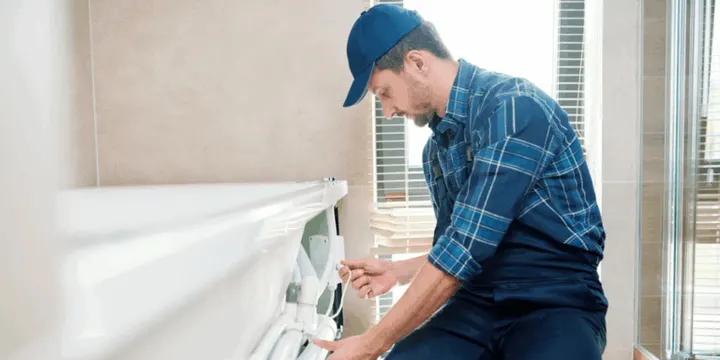
First, Check the Drain Line Position
Many overlook this: Not all tubs drain in the same spot—some drain from the left, some from the right, and some from the center. If your existing drain doesn’t align with the new tub’s outlet, you’ll have a problem.
Before starting your bathtub installation, plumbers will:
- Measure the current drain’s location.
- Compare it with the specs of your new tub.
- Adjust the rough-in plumbing if necessary.
Shifting a drain line might sound simple, but it involves cutting into the floor or slab, moving pipes, and ensuring everything slopes correctly. It’s one of those “invisible” tasks that, if ignored, causes a world of trouble later.
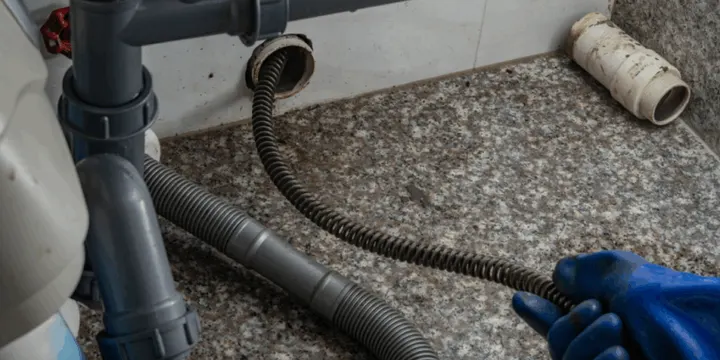
Inspect the Drain Pipe for Wear or Blockage
If your home is older, there’s a good chance your drain pipes have built-up grime or corrosion. Installing a new tub over an old, half-blocked drain pipe is like putting a fresh coat of paint over a cracked wall—it looks good at first, but the problems show up fast.
That’s why a thorough inspection before bathtub installation matters. A plumber might use a small camera to check for:
- Rusted or corroded cast iron pipes.
- Soap scum or hair buildup that’s blocking the flow.
- Roots or cracks in the drain line (especially in slab homes).
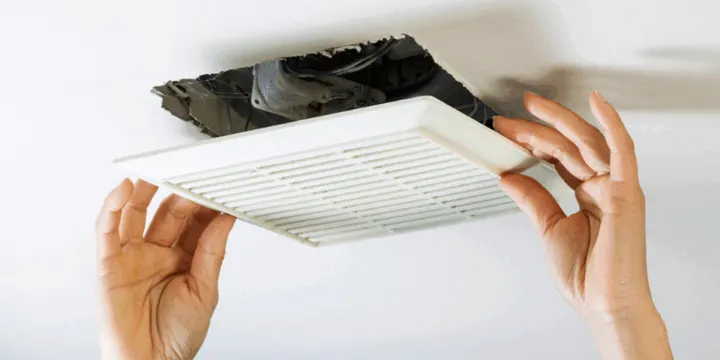
Venting: Not Glamorous, But Necessary
We don’t discuss it often, but your plumbing needs breathing. That’s where venting comes in. Without proper venting, water won’t drain properly. You’ll get gurgling sounds, slow drainage, or even foul smells rising back up.
When prepping for bathtub installation, your plumber checks the nearby vent line. If there isn’t one, or if it’s too far away, they might need to add:
- A new vertical vent pipe.
- An air admittance valve (AAV) is handy in tight spaces.
- A tie-in to an existing vent line is in the following code.
This step ensures your tub drains quickly and quietly. It also prevents weird noises that could freak out your guests later.
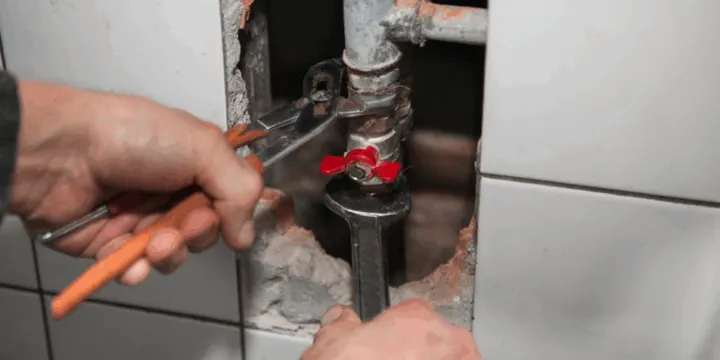
Replace Old Shut-Off Valves and Water Lines
Many forget about shut-off valves. If your bathroom doesn’t already have them, this is the perfect time to add them. And if they’re rusty or stuck, replace them. So, before your bathtub installation, make sure to:
- Install accessible shut-off valves on both hot and cold water lines.
- Inspect supply lines for corrosion or leaks.
- Upgrade to modern braided steel or PEX lines for reliability.
With new valves in place, future maintenance gets easier. You won’t need to shut off the water to your entire house to fix a small leak or make a change.
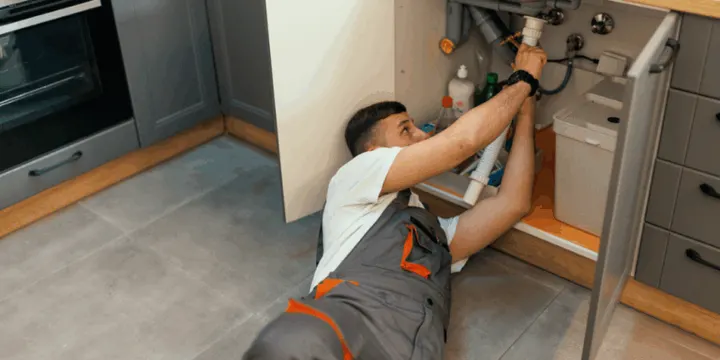
Don’t Skip the Slope Check
This one’s sneaky. Your drain pipes’ slope—or pitch—determines how well water flows out. Too flat? Water lingers, leading to buildup. Too steep? It moves too fast, leaving solids behind. Either way, it’s bad news. So, consider the following:
- That horizontal x is at about 1/4 inch per foot.
- Those joints are correctly angled.
- No previous remodels have compromised pipe alignment.
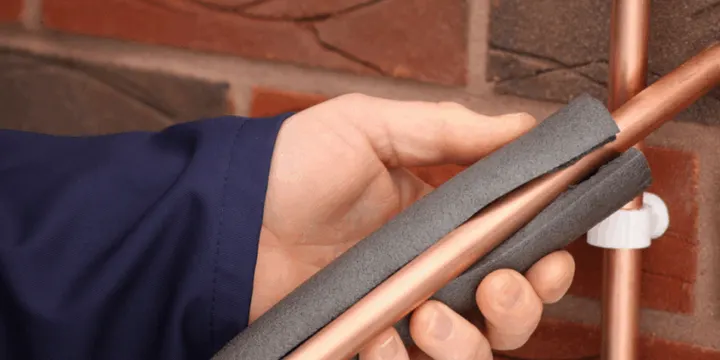
Secure and Insulate Pipes (Especially in Exterior Walls)
Insulation is key if your bathroom sits on an exterior wall and your water lines run through it. Without it, your hot water line loses heat quickly, and the cold line might freeze during winter. This fix helps your tub fill faster, stay warmer longer, and avoid weird rattling when you turn the faucet on.
So, before the bathtub installation, plumbers should:
- Check pipe positioning inside the wall cavity.
- Add foam or fiberglass insulation around the pipes.
- Secure loose pipes to prevent banging noises (water hammer).
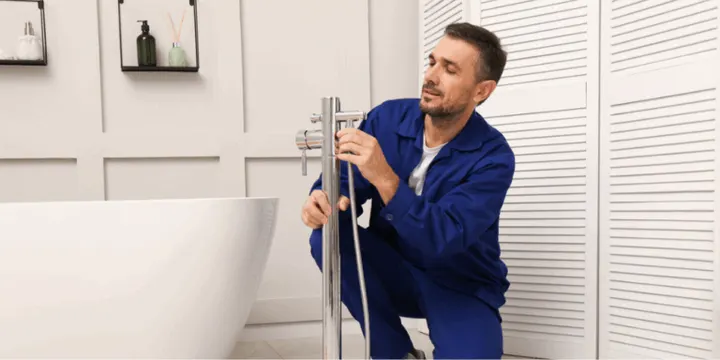
Double-Check the Rough-In Height and Positioning
Your new bathtub’s faucet, spout, and drain must align perfectly with the framing and plumbing connections. If anything’s off, you’ll have to tear out part of the wall or live with a faucet that barely reaches the tub.
These small measurements can make a big difference. Therefore, confirm the following before bathtub installation:
- The faucet height matches the tub deck or wall height.
- The spout sticks out far enough (and not too far).
- The overflow drain hole aligns properly.
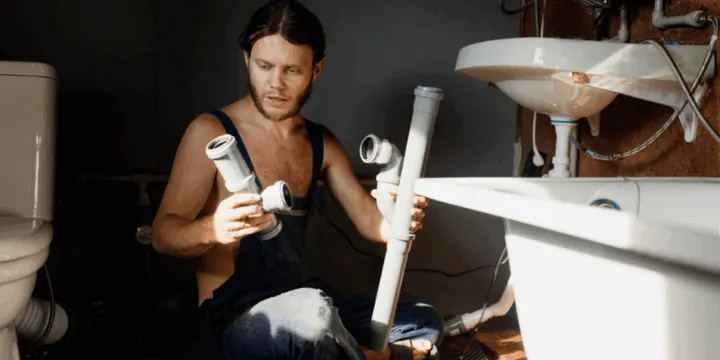
Don’t Forget About Accessibility and Code Compliance
Finally, every good bathtub installation project needs to follow local building codes. Missing one of these steps could delay the installation or lead to costly rework later on. Key checks include:
- Anti-scald valve installation.
- Accessible clean-out ports.
- Code-compliant slope and venting.
- Proper pipe sizes for water supply and drainage.
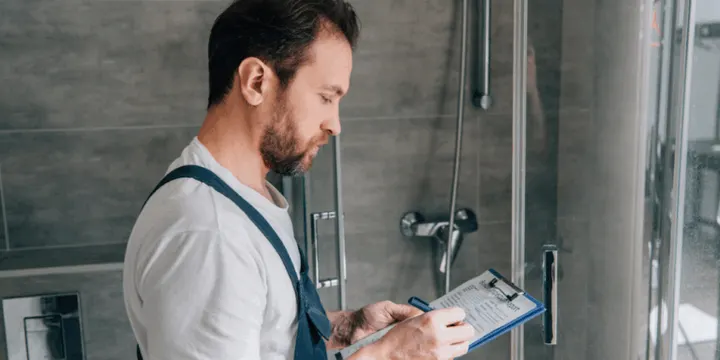
Final Checklist Before Installing Your Bathtub
Planning a bathtub installation in Shannon, AL, is exciting. You’re probably thinking about tile, finishes, and that first long soak. But behind all that comfort is a lot of hidden plumbing work. Skipping over it might not show up immediately, but problems will eventually surface, often when it’s at least inconvenient.
So, before you bring in that beautiful new tub, take a step back. Make sure your pipes, drains, valves, and venting are ready. Handle those hidden fixes now, and your installation will be smoother, faster, and less stressful.
After all, a bathtub is only as good as the plumbing beneath it.
References:
- Highland, S. G., Houston, G., Reimer, A. A., Folwell, A. P., Chester, J. N., Leisen, T. A., . . . Wills, W. J. (1915). PLUMBING CODE AND CONTROL OF PLUMBERS [with DISCUSSION]. Journal AWWA, 2(4), 762–788. Retrieved from https://www.jstor.org/stable/41224270
- Gurmu, A., & Mudiyanselage, P. W. (2023). Plumbing defects in residential buildings: analysis of anomalies and their causes. Facilities, 41(13/14), 927–956. https://doi.org/10.1108/f-10-2022-0130
Keep Reading
Similar Posts


